PgManage now supports Microsoft SQL Server and includes numerous UI improvements and features intended to make your daily database work more efficient. See the blog post for a feature overview and insights into our decision‑making process.
Blog
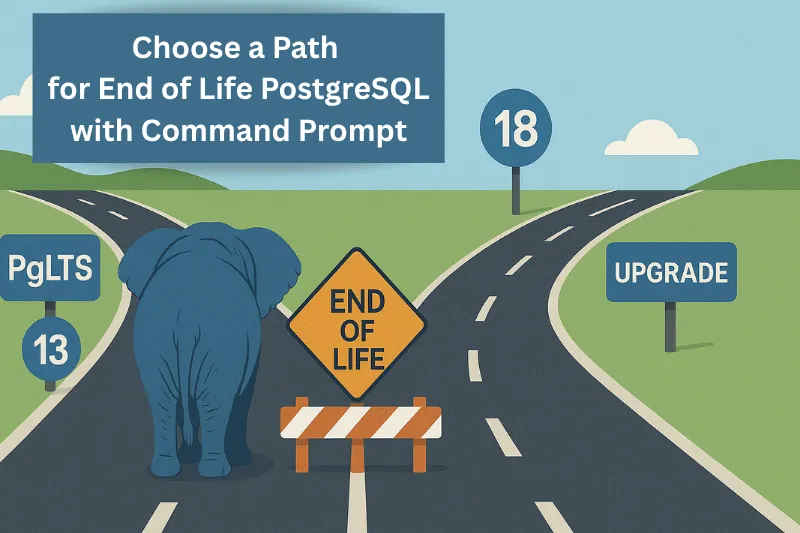
PostgreSQL Version 13 Reaches End of Life: Migration and Extended Support Strategies
PostgreSQL 13 has officially reached end of life as of November 13, 2025, leaving organizations without security patches or community support. Learn your options for upgrading to a supported version—or extending security coverage with PgLTS.
Cost Optimization for PostgreSQL: Practical Tips for Technical Teams
In a previous post, we explored the importance of right-sizing PostgreSQL environments and avoiding the trap of overprovisioning for peak demand. While architecture choices play a major role in cost optimization, the work doesn’t stop there. For technical teams including DBAs, system architects, and engineering directors, query performance and workload patterns offer some of the most direct, controllable levers for reducing cost without sacrificing quality.
Query Optimization: A Core Cost …
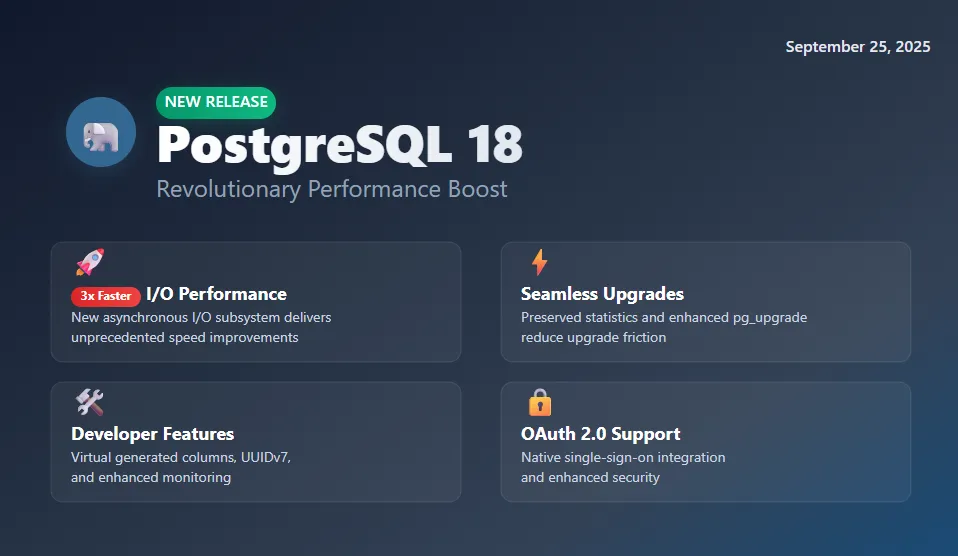
PostgreSQL 18: Revolutionary Performance Boost Now Available
The PostgreSQL Global Development Group has released PostgreSQL 18, delivering the most significant performance improvements in recent years. This latest version transforms database I/O operations and streamlines the upgrade experience for organizations worldwide.
Why Growing Teams Are Moving from Aurora to RDS or EC2: Cost and Control Considerations on AWS
Amazon Aurora PostgreSQL can be a powerful starting point for teams adopting PostgreSQL in AWS. But as usage grows, so do the needs for cost transparency, fine-grained tuning, and architectural flexibility. Here's why more teams are choosing Amazon RDS for PostgreSQL or EC2 as they scale.
PgManage 1.3.1: Enterprise Edition Released
PgManage 1.3.1 is now available with fixes across PostgreSQL, Oracle, MariaDB, and SQLite3, plus updated dependencies and UI refinements. Learn what’s new and explore PgManage Enterprise Edition with remote access, multi-user support, and OAuth2 integration.
Lessons from the CISA and USCG Joint Advisory: What “No Breach” Still Reveals
The July 31st advisory from CISA and the U.S. Coast Guard (AA25-212A) is less about what happened and more about what could have. A proactive threat hunt at a U.S. critical infrastructure organization revealed no active compromise, but it uncovered systemic weaknesses like insecure credentials, unrestricted remote access, and insufficient monitoring. This is a textbook case of “security theater”: policies and tools on paper, without enforcement in practice. The takeaway …
Upgrading PostgreSQL and Citus for Enhanced Database Functionality
Discover how a client successfully upgraded PostgreSQL 11 to 15.5 and Citus 8.3 to 12.1 while simplifying extensions, improving scalability, and enhancing performance. This real-world case study highlights the planning, testing, and expertise required to achieve seamless upgrades in distributed environments.
Critical Security Alert: Immediate Action Required for Self-Hosted SharePoint Servers (CVE-2025-53770)
A critical, newly disclosed, and actively exploited vulnerability, CVE-2025-53770, affects all self-hosted / on-premises Microsoft SharePoint Server versions. This critical issue does not impact SharePoint Online (Microsoft 365).
The exploit enables attackers to:
- Bypass authentication
- Install persistent backdoors
- Launch ransomware
- Steal sensitive data
Immediate Steps to Take:
- Patch all on-premises SharePoint servers immediately following Microsoft guidance
- Disconnect unpatched servers from the Internet immediately
- For versions older than SharePoint 2016: …
PgManage 1.3 Release: Powerful New Features and Enhanced Usability
PgManage 1.3 is here with major updates including a redesigned dashboard UI, JSON export, code folding, PostgreSQL 17 support, and more. This release focuses on usability, performance, and cross-database compatibility, enhancing your workflow whether you're using PostgreSQL, MariaDB, MySQL, or others.